
🏎️ Strategy Spotlight: Undercut vs. Overcut Explained
📅 Learn the Grid – Edition #5 Undercut vs. Overcut—two strategies, one goal: victory. Discover how split-second pit stop decisions can define an F1 race."

Welcome back to Learn the Grid! 🏁
This week, we’re introducing a brand-new section: 🏎️ Strategy Spotlight—a deep dive into the tactical decisions that make or break an F1 race.
First up: the Undercut vs. Overcut—two pit stop strategies that seem simple on paper but require precision timing, data-driven analysis, and nerves of steel.
Let’s break them down!
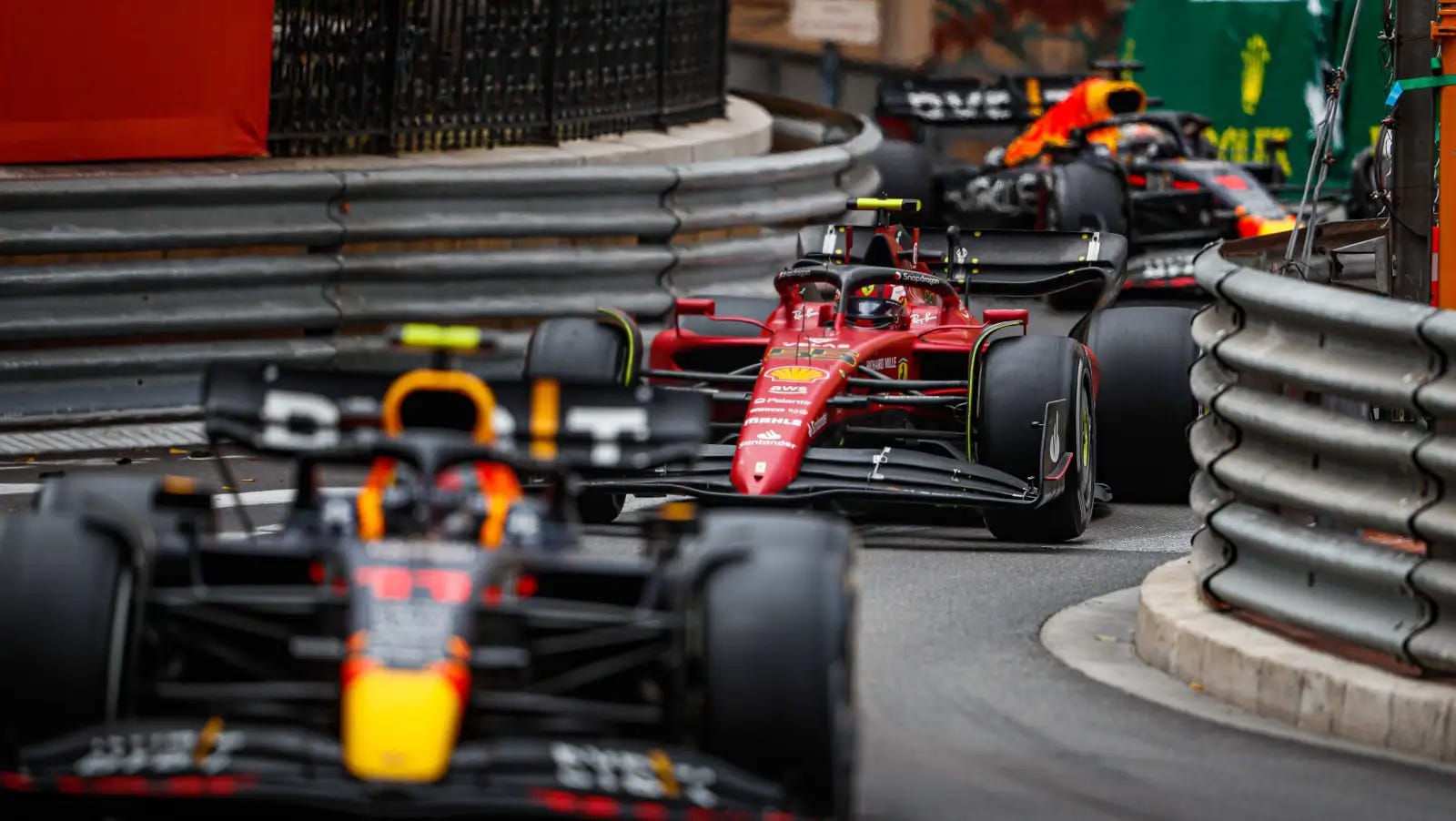
Example of an undercut by Max Verstappen. Source: Formula 1
🛠️ 1. The Undercut
The Undercut is one of F1’s most aggressive strategies. The concept? Pit early, switch to fresh tires, and gain an advantage over your rivals who are still lapping on worn tires.
🔑 How It Works:
Driver pits earlier than a direct competitor.
With fresh tires, they set faster lap times.
When the rival pits later, they rejoin behind the undercutting driver.
✅ When the Undercut Works Best:
Fresh tires offer a significant pace advantage.
The driver has clear track space after pitting.
Tire warm-up isn’t an issue.
🏁 Famous Example:
Max Verstappen’s undercut on Lewis Hamilton at the 2021 French GP secured him a race-winning advantage.
⏳ 2. The Overcut ⏳
The Overcut takes a more patient approach. Instead of pitting early, a driver stays out longer on worn tires, aiming to build a gap while rivals struggle to warm up their fresh rubber.
🔑 How It Works:
Driver stays out on worn tires while rivals pit.
Gains time if the rivals struggle with tire warm-up or get stuck in traffic.
Pits later, hoping to rejoin ahead after a successful stint.
✅ When the Overcut Works Best:
Tire degradation is low.
Clear track ahead allows consistent lap times.
Rivals face traffic or tire warm-up struggles after pitting.
🏁 Famous Example:
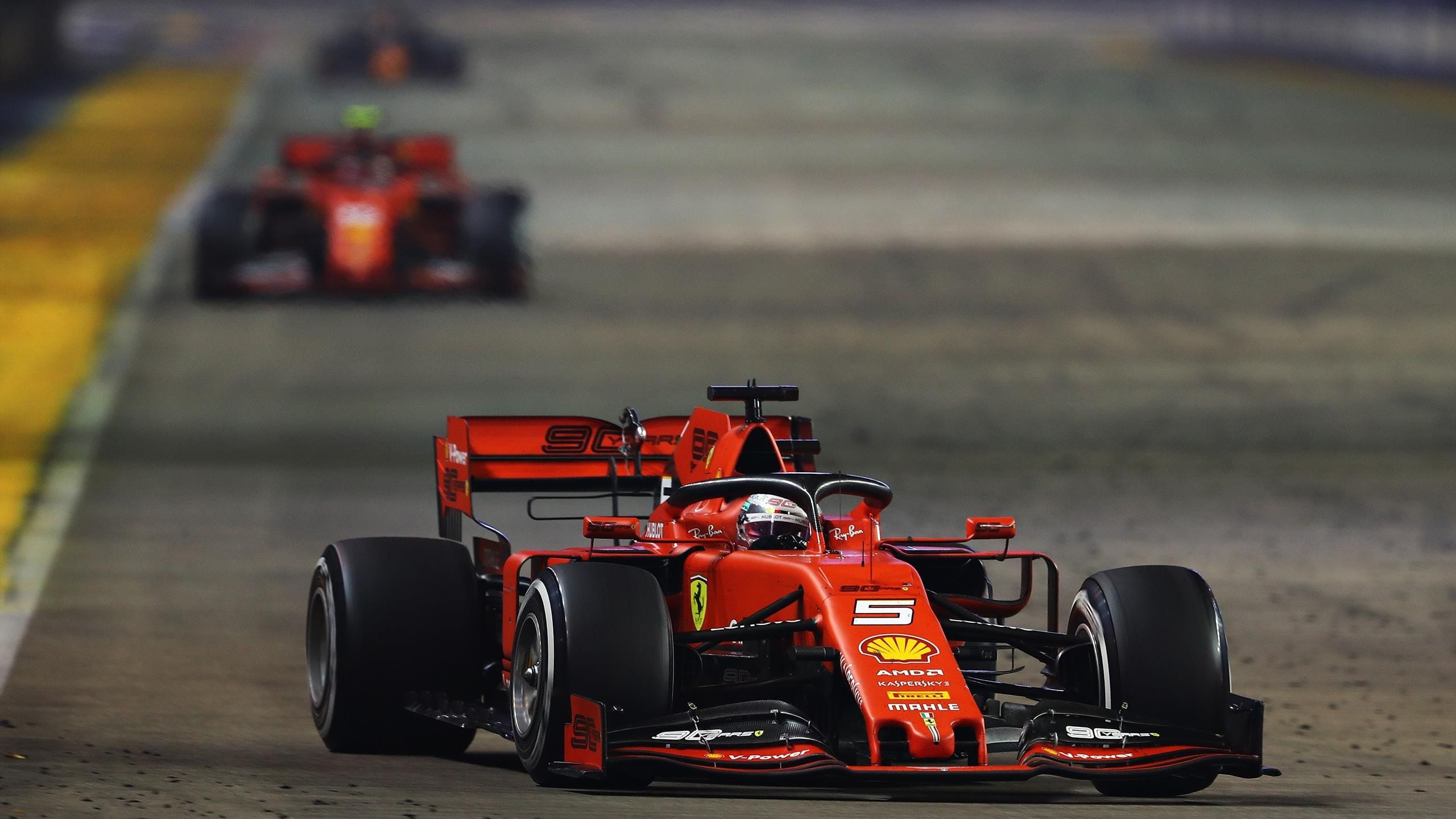
Sebastian Vettel’s overcut at the 2019 Singapore GP helped him leapfrog Charles Leclerc and secure victory.
📊 3. Choosing Between Undercut & Overcut
So how do teams decide which strategy to use? It’s a data-driven gamble influenced by several factors:
✅ Tire Degradation Rates: Which compound lasts longer under race conditions?
✅ Traffic on Track: Clear air vs. getting stuck behind slower cars.
✅ Pit Stop Time Loss: How long does it take to pit and rejoin the race?
✅ Weather Conditions: Rain or changing temperatures can flip the strategy upside down.
🏁 Did You Know?
F1 strategists use real-time telemetry and predictive modelling to simulate every possible scenario before making a call.

🧠 4. Strategy in Action: Real-World Examples
🛑 Undercut Example:
Race: 2021 French GP
Driver: Max Verstappen
Outcome: Used an early pit stop to leapfrog Lewis Hamilton, securing a crucial win.
⏳ Overcut Example:
Race: 2019 Singapore GP
Driver: Sebastian Vettel
Outcome: Stayed out longer, executed perfect laps, and rejoined ahead of his teammate Charles Leclerc to win the race.
Every strategy comes with risks and rewards—and in F1, one wrong decision can cost a podium finish.
🚥 5. Why Undercuts and Overcuts Define Races
At its core, the battle between the Undercut and the Overcut showcases the relentless pursuit of perfection in F1 strategy.
The Undercut: Immediate gains, higher risk.
The Overcut: Delayed payoff, requires precise execution.
No matter the choice, these pit stop strategies create thrilling moments of tension and excitement—both for the teams on the pit wall and fans watching at home.
👉 Which strategy do you find more exciting to watch? 🏁
📢 Stay Connected with Learn the Grid
Thank you for diving into this Strategy Spotlight edition of Learn the Grid!
Whether you're a casual viewer or a hardcore F1 strategist in the making, there's always something new to uncover on the grid.
Follow us on Twitter: For bite-sized F1 insights and weekly breakdowns.
Subscribe to Learn the Grid: To never miss an update from the world of Formula 1.
Got a specific strategy or F1 topic you'd love us to cover? Reply below or drop us a comment! 🏎️📊
Stay tuned for the next edition of Learn the Grid!